
The realm of E-Invoicing Malaysia Guidelines offers a comprehensive framework that is pivotal in shaping the landscape of financial transactions within the country. From establishing regulatory compliance to fostering seamless interactions with governmental bodies, these guidelines are instrumental in driving efficiency and ensuring adherence to legal mandates https://aspert.com.my/solutions/sap-business-one/. By delving into the nuances of these guidelines, businesses gain a deeper insight into the intricacies of electronic invoicing, paving the way for enhanced operational efficacy and risk mitigation. Discover how E-Invoicing Malaysia Guidelines can revolutionize the financial processes and compliance landscape for organizations seeking sustainable growth and regulatory alignment.
Importance of E-Invoicing Guidelines
The establishment of clear and comprehensive e-invoicing guidelines is crucial for fostering efficient and compliant financial transactions in the Malaysian business landscape. These guidelines provide a standardized framework that businesses can follow to ensure accuracy, transparency, and legality in their invoicing processes.
By defining the necessary data fields, formats, and compliance requirements, e-invoicing guidelines help streamline invoicing procedures, reduce errors, and facilitate seamless communication between businesses and government entities. Adherence to these guidelines not only enhances operational efficiency but also minimizes the risk of non-compliance with regulatory requirements.
Ultimately, having well-defined e-invoicing guidelines is essential for promoting a secure and conducive environment for electronic transactions in Malaysia.
Understanding the Regulatory Framework
Establishing a solid grasp of the regulatory framework governing e-invoicing practices in Malaysia is imperative for businesses aiming to ensure compliance and operational efficiency in their financial transactions. In Malaysia, e-invoicing is regulated by the Customs Act 1967, Sales Tax Act 2018, Service Tax Act 2018, and the Income Tax Act 1967.
These regulations outline the legal requirements, technical specifications, and data retention policies that businesses must adhere to when implementing e-invoicing solutions. Understanding the regulatory framework helps businesses navigate the complexities of electronic invoicing, ensuring that they meet all legal obligations and avoid potential penalties.
Implementing E-Invoicing Solutions
To successfully integrate e-invoicing solutions into their operations, businesses must strategically plan for seamless implementation and user adoption. This process involves selecting an e-invoicing system that aligns with the organization’s requirements, ensuring compatibility with existing software, and providing comprehensive training to employees.
Prior to implementation, thorough testing should be conducted to identify and address any potential issues. It is essential to communicate the benefits of e-invoicing to all stakeholders and address any concerns they may have.
Additionally, businesses should establish clear protocols for e-invoicing processes and ensure compliance with regulatory requirements. By taking a systematic approach and involving all relevant parties, businesses can effectively implement e-invoicing solutions and optimize their invoicing processes.
Benefits of E-Invoicing Compliance
Enhancing operational efficiency through adherence to e-invoicing compliance standards is paramount for businesses seeking to streamline their financial processes.
By implementing e-invoicing compliance, organizations can benefit from reduced manual errors, faster invoice processing times, and improved invoice tracking capabilities.
Moreover, compliance with e-invoicing regulations ensures data security and integrity, leading to enhanced trust with customers and business partners.
The automation of invoicing processes through compliance also results in cost savings, as it reduces the need for paper-based documentation and manual labor.
Key Requirements for E-Invoicing
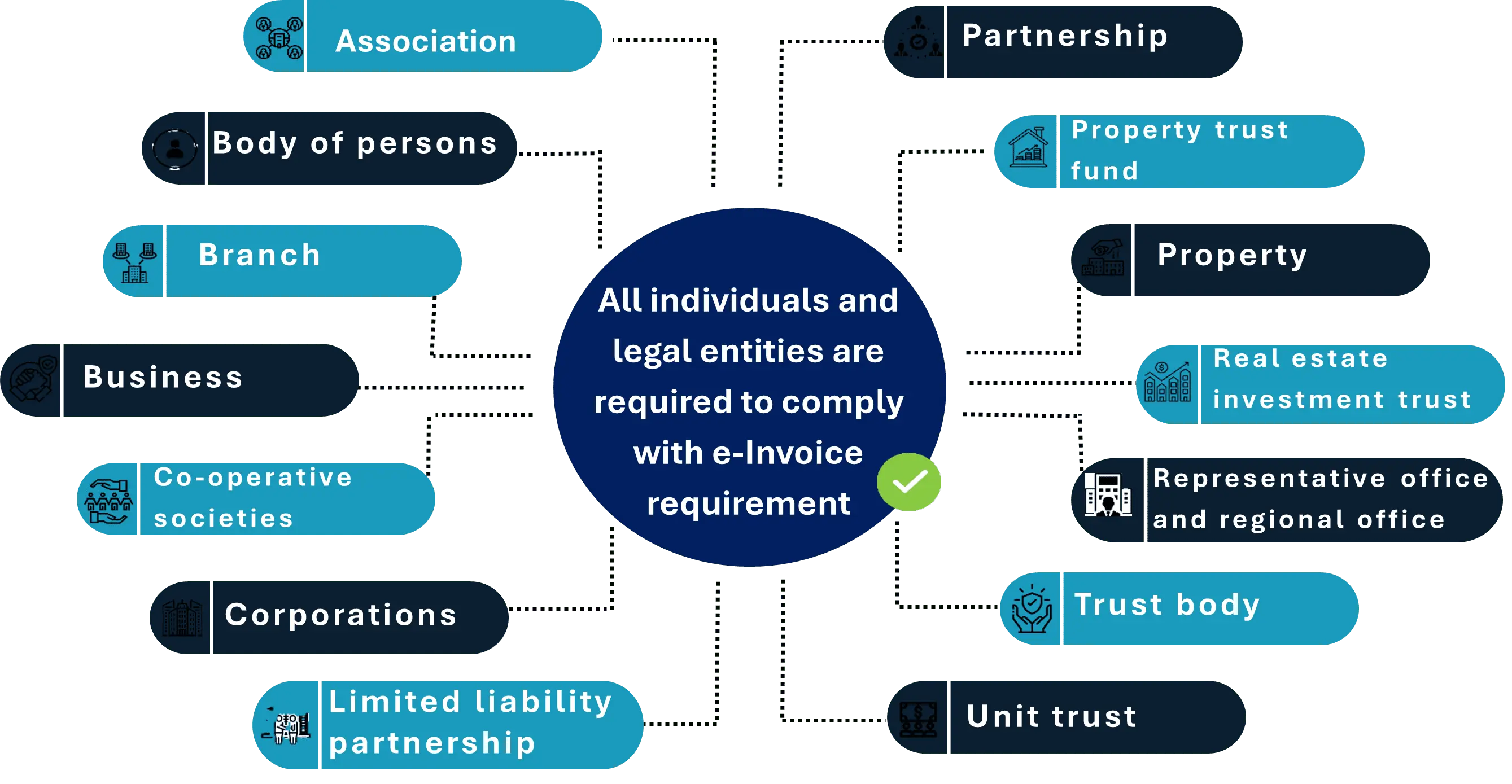
Achieving seamless integration of e-invoicing into business operations requires a thorough understanding of the key requirements set forth by Malaysian regulatory authorities.
In Malaysia, e-invoices must contain specific information such as the seller’s and buyer’s details, invoice number, date of issuance, description of goods or services, quantities, amounts, and tax details. Additionally, e-invoices must comply with the requirements outlined in the Electronic Commerce Act 2006 and the Goods and Services Tax Act 2014.
It is essential for businesses to ensure that their e-invoicing systems are capable of generating invoices that meet these requirements to avoid any compliance issues.
Adhering to these key requirements not only ensures regulatory compliance but also facilitates smooth and efficient business transactions in the digital landscape.
Ensuring Data Security in E-Invoicing
Safeguarding sensitive data is paramount in the realm of e-invoicing to uphold confidentiality and prevent unauthorized access to critical financial information. Implementing encryption techniques to secure data transmission, utilizing secure networks, and enforcing strict access controls are crucial steps in ensuring data security.
Regularly updating security protocols, conducting vulnerability assessments, and investing in robust cybersecurity measures are essential to mitigate potential risks. Compliance with data protection regulations such as the Personal Data Protection Act (PDPA) further reinforces data security practices.
E-Invoicing Best Practices
Implementing efficient e-invoicing best practices is crucial for optimizing financial processes and increasing operational efficiency in businesses.
To achieve this, businesses should standardize their e-invoicing processes, ensuring consistency in format and content.
Automating invoice generation and delivery can help reduce errors and processing time, leading to faster payments.
It is also important to regularly review and update e-invoicing procedures to incorporate industry best practices and compliance requirements.
Implementing electronic signatures and secure encryption methods can enhance data security and prevent fraud.
Additionally, providing training to employees on e-invoicing processes and tools can improve overall adoption and efficiency.
Transitioning to E-Invoicing System
Transitioning to an e-invoicing system requires careful planning and coordination to ensure a smooth and successful implementation.
It is crucial to start by assessing the current invoicing processes, identifying key stakeholders, and establishing clear communication channels.
Engaging with vendors and partners early on can help in addressing any concerns and ensuring everyone is on board with the transition.
Training sessions and workshops may be necessary to familiarize employees with the new system and address any potential issues.
Additionally, setting up a timeline with achievable milestones can help track progress and ensure the project stays on schedule.
Conclusion
In conclusion, adherence to the E-Invoicing Malaysia Guidelines is essential for businesses to streamline their invoicing processes, enhance operational efficiency, and ensure compliance with regulatory requirements.
By understanding the regulatory framework, implementing e-invoicing solutions, and following key requirements, organizations can benefit from improved data security, reduced risks of non-compliance, and seamless communication with government entities.
Transitioning to an e-invoicing system is a crucial step towards achieving efficiency and legality in financial transactions.
