
Bed bug spray selection should prioritize proven actives, label-directed application, and engineering controls to limit exposure to children and pets. Neurotoxic pyrethroids and neonicotinoids have contact and ingestion risks and may fail where resistance exists dust mite bites vs bed bugs. Non‑neurotoxic options—IGRs and desiccants—offer residual control with lower acute toxicity. Follow signal words, PPE, re‑entry intervals, ventilation, and textile compatibility. Isolate treated zones, launder contaminated items, and consult veterinarians; further guidance explains specific products, timings, and monitoring.

Understanding Bed Bug Spray Types and How They Work
In examining bed bug control, sprays are classified by active ingredient and mode of action—neurotoxic insecticides (pyrethroids, neonicotinoids), insect growth regulators (IGRs), desiccants (silica gel, diatomaceous earth), and botanical/essential-oil formulations—each category targeting specific physiological processes such as sodium channel function, nicotinic acetylcholine receptors, cuticle integrity, or developmental molting https://igreenasia.com/. The detached assessment contrasts contact and residual chemistries, emphasizing target-site specificity, dose-response relationships, and resistance selection pressure. Integration with non-spray modalities, including chemical fumigation and thermal remediation, is evaluated for compatibility and sequence to maximize efficacy while minimizing exposures. Empirical monitoring (bioassays, sentinel traps) informs adaptive selection and rotation of modes of action. Regulatory compliance, label-directed application, and validated delivery technologies are underscored to advance safer, innovation-driven pest management.
Key Ingredients to Avoid and Ingredients That Are Effective
Although efficacy and safety profiles vary by formulation and context, bed bug management literature consistently identifies certain active ingredients as either broadly effective or problematic; effective classes include neonicotinoids (e.g., imidacloprid) combined with pyrethroids where susceptibility exists, neonicotinoid-pyrethroid mixtures, and non-neurotoxic options such as insect growth regulators (pyriproxyfen, hydroprene) and desiccants (silica gel, diatomaceous earth), whereas ingredients to avoid or use with caution include unsupported botanical oils with weak residual activity, products containing only pyrethroids in populations with documented resistance, unregistered synergist-only formulations, and consumer-use aerosol mixtures lacking label-directed residual claims. Evidence supports integrating desiccants and IGRs for residual control while evaluating fabric compatibility and avoiding unproven natural repellents as primary control agents.
How to Read Labels and Interpret Safety Claims
The section explains how to identify and interpret the active ingredient listing to determine the pesticidal compound, its concentration, and its mode of action. It then translates standardized warning icons and signal words (e.g., “Danger,” “Warning,” “Caution”) into practical risk categories and exposure routes. Finally, it outlines how precautionary statements and first-aid directions map to required personal protective measures and post-application re-entry intervals.
Active Ingredient Meanings
When evaluating bed bug sprays, readers should first identify and quantify the active ingredients listed on the label, because these determine the product’s mode of action, efficacy, and toxicological profile. The active ingredient meanings require parsing chemical composition, CAS numbers, concentration by weight or volume, and whether actives are contact, ingestion, or neurotoxic agents; mode meanings should be mapped to target-site interactions (e.g., sodium channel modulators, acetylcholinesterase inhibitors, or insect growth regulators). Evidence-based interpretation compares listed actives against resistance databases, peer-reviewed efficacy data, and environmental persistence metrics. For innovators, precise quantification and mechanism annotation enable safer formulation choices and informed deployment strategies while minimizing non-target exposure and supporting regulatory compliance through traceable ingredient provenance.
Warning Label Decoding
In decoding warning labels, a systematic reading of signal words, hazard statements (H‑phrases), precautionary statements (P‑phrases), and first‑aid instructions reveals the product’s acute and chronic risk profile and required mitigation measures. The reader evaluates label symbols for flammability, acute toxicity, environmental hazard, and corrosivity; each symbol maps to standardized risk codes that guide engineering and administrative controls. Ingredient translations convert trade names and INCI listings into CAS numbers and toxicological endpoints, enabling cross-referencing with registries and peer‑reviewed data. Attention to concentration thresholds, PPE specifications, reentry intervals, and application method constraints determines operational feasibility. Claims such as “pet‑safe” or “low‑odor” must be validated against quantitative exposure limits. The approach prioritizes reproducibility, measurable controls, and iterative risk reduction.
Protecting Children During and After Treatment
Children should be removed from treated areas during application and until measured airborne and surface residues fall below label-specified re-entry thresholds. All washable toys, bedding, and frequently mouthed items require laundering or isolation to eliminate contact with residual pesticide. Re-entry should be supervised and timed according to product-specific clearance intervals and ventilation metrics to minimize inhalation and dermal exposure.
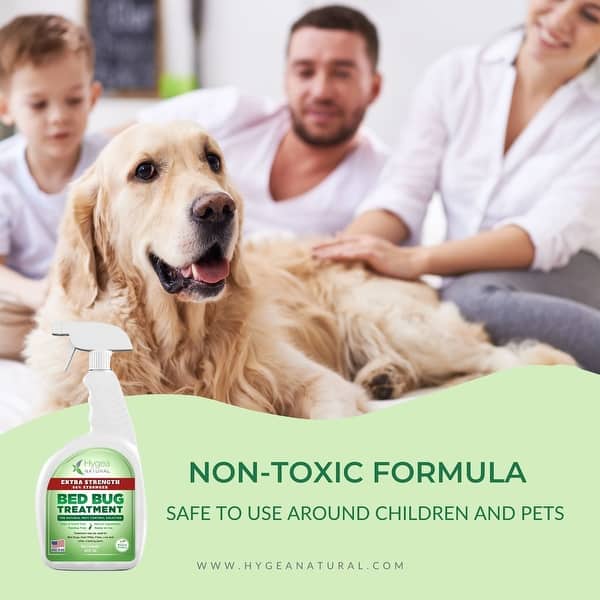
Keep Kids Out During Spraying
Although bed bug insecticides are effective only when applied to targeted areas, occupants must prevent child access during application and until residues are dry and ventilated, because pediatric physiology increases exposure risk and toxicity. The protocol recommends parents avoid rooms undergoing treatment and consider temporary relocation of vulnerable children to minimize inhalation and dermal contact. Implement physical barriers, signage, and lockable doors; document product labels, active ingredients, and re-entry intervals dictated by the pesticide data sheet. Use ventilatory engineering controls and monitor airborne particulate decay where feasible. Post-application verification should include residue drying confirmation and room airing times aligned with manufacturer-outlined aeration rates. Communication with applicators must emphasize pediatric risk mitigation and validation of re-entry clearance before children return.
Wash Toys and Bedding
When laundering soft toys and bedding after a pesticide treatment, caregivers should follow manufacturer instructions and pesticide label guidance to reduce residual exposure while preserving item integrity. The protocol recommends segregating washable items, using hot-water cycles within textile tolerance, and selecting detergent formulations with demonstrated pesticide-removal efficacy. For non-machine-washable soft toys, surface decontamination via EPA-registered wipes or targeted steam application is advised to sanitize toys without solvent exposure. Drying at manufacturer-recommended temperatures facilitates volatilization and breakdown of certain active ingredients while maintaining fabric performance. Similarly, periodic procedures to refresh bedding should include vacuuming mattress seams with HEPA-equipped devices and laundering pillow protectors. Documentation of methods, temperatures, and products enables iterative optimization and supports adoption of emerging decontamination technologies in child-focused environments.
Supervise Re-Entry Timing
Following laundering and surface decontamination, re-entry timing requires strict oversight to minimize pediatric exposure to residual pesticides and treatment byproducts. A protocol-driven approach mandates documented post treatment monitoring, objective air and surface sampling, and engineered ventilation metrics before children re-enter. Technicians should deploy re entry signage that specifies clearance times, monitored parameters, and responsible personnel. Visual and digital alerts enable compliance and auditability. Empirical thresholds (surface residue limits, VOC concentrations, ventilation air changes per hour) determine reoccupation. Caregivers receive concise instructions and exposure-minimization tactics. Integration of sensor data with cloud logs supports continuous improvement and innovation in safety procedures.
- Childproof barriers with timed access release to enforce clearance intervals.
- Surface swab results posted alongside re entry signage for transparency.
- Ventilation ACH readouts displayed to validate clearance.
Safeguarding Pets When Using Bed Bug Sprays
Pet owners must evaluate product labels, active ingredients, and exposure pathways before applying bed bug sprays, because pets are susceptible to inhalation, dermal contact, and oral ingestion of insecticidal compounds. Guidance emphasizes selection of pet safe formulations validated for species- and weight-specific tolerances, and prioritizes low-volatility actives with documented safety margins. Integrating non chemical barriers—sealed encasements, interceptors, and thermal controls—reduces reliance on sprays. Risk assessment includes pharmacokinetic considerations, grooming behavior, and microenvironmental deposition patterns; residue persistence and secondary transfer potential inform mitigation. Where chemical intervention is necessary, veterinary consultation and product-specific antidotal knowledge are recommended. Monitoring protocols post-treatment should include clinical surveillance for neurotoxic, gastrointestinal, or dermal signs and rapid removal of contaminated bedding or toys.
Safe Application Techniques and Ventilation Practices
In enclosed residential spaces, meticulous application technique and controlled ventilation are essential to minimize occupant and pet exposure to bed bug spray aerosols and residues. The practitioner applies product sparingly to cracks, seams, and perimeter zones, avoiding broadcast spraying on fabrics. After application, occupants and pets are removed; treatment zones are isolated briefly to allow initial droplet settling. Ventilation is then initiated: open windows and use fans to create directed airflow away from living areas, reducing airborne concentration and accelerating volatilization of carrier solvents. Surface re-entry occurs only after manufacturer-specified dwell times and when air exchange achieves recommended ACH. Visual and olfactory inspections confirm dissipation before pets return. Routine monitoring and documentation support iterative optimization of application and ventilation protocols.
- Targeted nozzle application
- Directed cross-ventilation
- Timed re-entry verification
When to Hire a Professional Exterminator
After implementing targeted application and controlled ventilation to reduce occupant exposure, the decision to engage a licensed pest management professional should be based on objective indicators and risk thresholds. Indicators include confirmed multi-room infestation, persistent live bed bug activity after two treatments, elevated allergen burden, or structural complexity limiting DIY access. When to hire is calculated by comparing expected efficacy, time-to-eradication, and occupant vulnerability against DIY approaches. Assessment protocols should incorporate monitoring data, heat or chemical treatment feasibility, and potential resistance profiles. Consider professional costs relative to iterative DIY expenses and the value of guaranteed remediation and reduced re-infestation probability. Procurement should prioritize certified providers using integrated pest management, validated technologies, and transparent outcome metrics to optimize safety for occupants and pets.
Conclusion
Effective bed bug management balances insecticidal efficacy with human and animal safety. Evidence-based selection favors proven actives (neonicotinoids, pyrethroids where susceptibility exists, desiccants) while avoiding untested “green” or unregulated products. Strict adherence to label instructions, ventilation protocols, and child- and pet-exclusion measures minimizes exposure. For complex or resistant infestations, credentialed pest-management professionals using integrated pest management protocols reduce health risks and improve eradication probability, supported by monitoring and follow-up evaluations.
