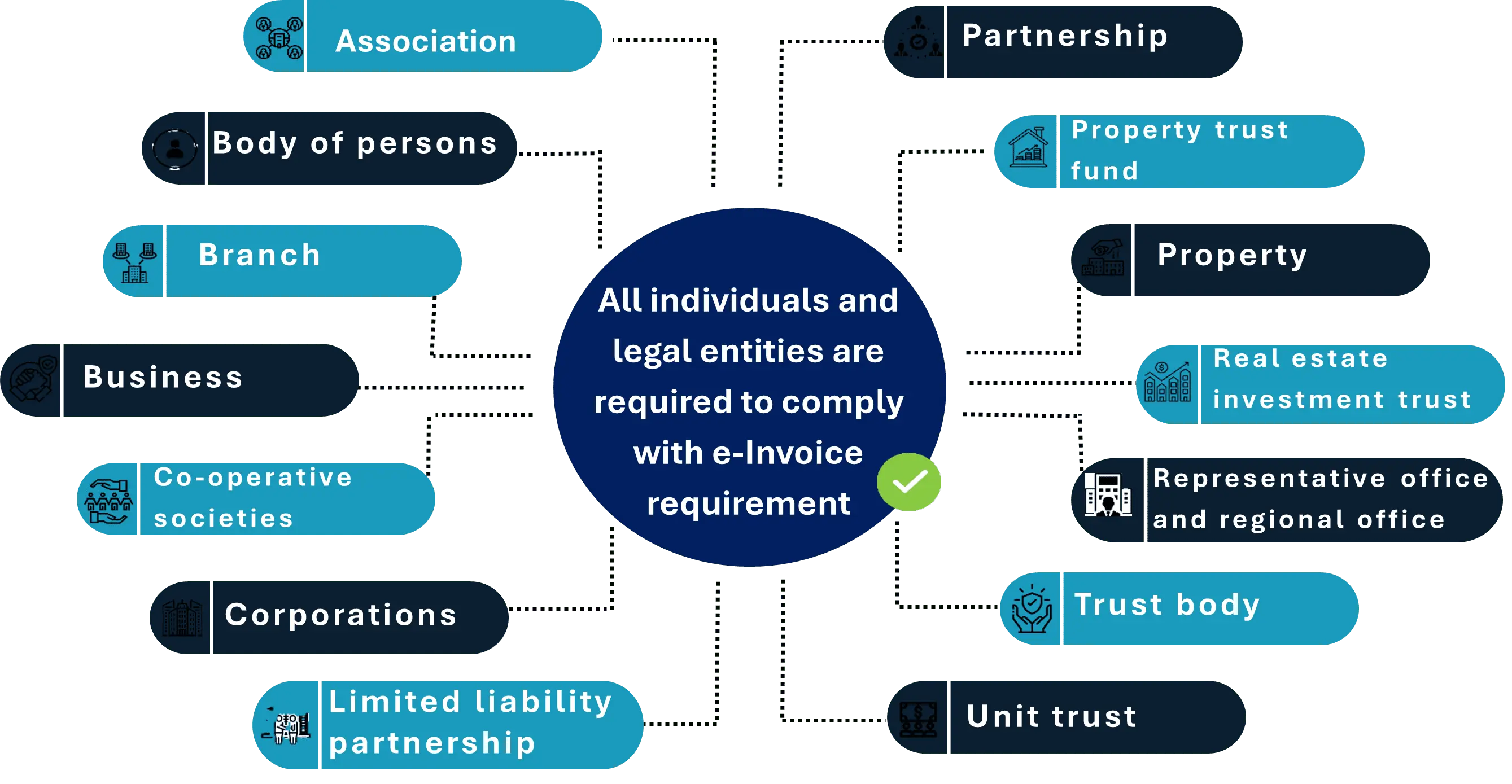
In the realm of modern business operations e-invoice malaysia, efficiency and accuracy are paramount when it comes to managing invoices. SAP Invoice Management stands as a beacon of innovation in this regard, offering a sophisticated platform that promises to revolutionize the way organizations handle their financial processes. From automated workflows to seamless ERP integration, SAP Invoice Management presents a compelling solution that holds the potential to streamline operations and elevate financial transparency to new heights. But how does this software truly impact the bottom line of businesses, and what are the key considerations for successful implementation?

Benefits of SAP Invoice Management
One key advantage of implementing SAP Invoice Management is the streamlined automation of invoice processing https://aspert.com.my/e-invoice/. This automation significantly reduces manual data entry, minimizes errors, and accelerates the overall invoice approval process.
By digitizing and centralizing invoice management, organizations can achieve greater efficiency and cost savings. Another benefit is enhanced transparency and visibility into the entire invoice lifecycle, enabling better tracking of invoices, approvals, and payments. This increased visibility leads to improved decision-making and better cash flow management.
Additionally, SAP Invoice Management offers robust analytics and reporting capabilities, providing valuable insights into spending patterns, vendor performance, and potential areas for cost optimization. Furthermore, the system’s integration with other SAP modules and third-party applications allows for seamless data exchange and collaboration across different departments.
Key Features and Functionality
Efficiently managing invoices and related processes is facilitated through the comprehensive key features and functionality offered by SAP Invoice Management. One of the standout features is automated invoice processing, which streamlines the receipt, extraction, and verification of invoice data. This automation reduces manual errors and speeds up the overall invoicing process.
Another key functionality is the ability to create customizable approval workflows, ensuring that invoices are routed to the appropriate personnel for review and approval promptly. Additionally, SAP Invoice Management offers seamless integration with existing ERP systems, enabling real-time data synchronization and enhancing overall operational efficiency.
The platform also provides advanced analytics and reporting capabilities, allowing for in-depth insights into invoice processing performance and trends. Furthermore, it supports compliance with regulatory requirements through robust security features and audit trails. Overall, the key features and functionality of SAP Invoice Management empower organizations to optimize their invoice management processes and drive greater cost savings.
Implementation Process and Best Practices
To successfully implement SAP Invoice Management and optimize its utilization, organizations should adhere to industry best practices for efficient integration and process enhancement.
The implementation process typically involves several key steps. Firstly, it is crucial to define clear objectives and scope for the implementation project. This includes identifying stakeholders, setting specific goals, and establishing a timeline for completion.
Secondly, organizations should conduct a thorough assessment of their current invoice management processes to identify areas for improvement and customization within the SAP Invoice Management system.
Next, it is essential to configure the system according to the organization’s specific requirements, including setting up workflows, approval processes, and user roles. Training and change management initiatives are also vital to ensure successful adoption and utilization of the new system.
Regular monitoring, evaluation, and continuous improvement are recommended best practices to maintain efficiency and effectiveness in invoice management processes.
Integration With SAP ERP Systems
Integration with SAP ERP Systems is a critical component of maximizing the functionality and efficiency of SAP Invoice Management within an organization. By seamlessly integrating SAP Invoice Management with SAP ERP systems, businesses can streamline their invoice processing workflows, enhance data accuracy, and improve overall financial management.
The integration allows for real-time synchronization of data between the two systems, enabling automatic updates of financial information, vendor details, and payment statuses.
Moreover, integration with SAP ERP systems enables better visibility and control over the entire procure-to-pay process. It facilitates the tracking of invoices, approvals, and payments, providing a comprehensive audit trail for compliance and reporting purposes.
Additionally, by leveraging the data consistency between SAP Invoice Management and SAP ERP systems, organizations can minimize errors, reduce manual interventions, and accelerate invoice processing cycles.
Enhancing Financial Transparency
Enhancing financial transparency is paramount in ensuring accountability and trust in an organization’s financial operations. By providing clear and easily accessible information about financial activities, companies can build credibility with stakeholders and demonstrate a commitment to ethical practices. Implementing a robust system like SAP Invoice Management can streamline financial processes, improve visibility into transactions, and enhance reporting capabilities.
Transparency in financial management involves disclosing financial information accurately and comprehensively. This includes detailing expenses, revenue sources, investments, and any financial risks faced by the organization. Through transparent financial reporting, companies can show investors, regulators, and the public that they are operating in a responsible and sustainable manner.
Moreover, fostering a culture of transparency within an organization can lead to better decision-making and risk management. When employees have access to relevant financial data, they can make informed choices that align with the company’s objectives. Ultimately, enhancing financial transparency is not just about compliance; it is a strategic move that can improve efficiency, accountability, and overall performance.

Tips for Maximizing Efficiency
To maximize efficiency in SAP invoice management, focusing on automation for invoices and seamless integration with ERP systems is key.
By automating repetitive tasks and streamlining processes, organizations can reduce manual errors and save time.
Integrating invoice management with ERP systems ensures data accuracy and enhances overall financial transparency.
Automation for Invoices
Implementing automated processes in invoice management systems can significantly enhance efficiency and accuracy in financial operations. By automating tasks such as data entry, invoice matching, and approval workflows, organizations can streamline their invoice processing, reduce errors, and save valuable time.
Leveraging automation technologies like Optical Character Recognition (OCR) for scanning invoices, machine learning algorithms for data extraction, and robotic process automation (RPA) for repetitive tasks can further boost efficiency. Additionally, automated reminders and notifications help keep invoices on track and prevent delays.
Integration With ERP
One critical aspect for maximizing efficiency in invoice management systems is the seamless integration with Enterprise Resource Planning (ERP) software. By integrating SAP invoice management with ERP systems, organizations can streamline the entire invoicing process, from data entry to payment.
This integration allows for real-time data transfer between systems, reducing manual errors and ensuring accurate financial information. Additionally, integrating with ERP enables better visibility into financial data, improves compliance with regulations, and enhances overall decision-making processes.
To maximize efficiency, it is crucial to align the data fields between the invoice management system and ERP software, automate workflows, and establish clear communication channels between the two systems. Efficient integration with ERP not only saves time and reduces costs but also enhances organizational productivity.
Future Trends in Invoice Management
The future of invoice management is set to be transformed by key trends such as:
- Automation in invoice processing
- Machine learning integration
- Adoption of cloud-based solutions
These advancements promise to streamline processes, reduce manual errors, and enhance overall efficiency in handling invoices. Embracing these technologies will be crucial for businesses looking to stay competitive and optimize their financial operations.
Automation in Invoice Processing
The evolution of technological advancements has paved the way for significant strides in streamlining and enhancing the automation of invoice processing for improved efficiency and accuracy within organizations. Automation in invoice processing involves the use of software and tools to digitize, capture, extract, and process invoice data automatically.
This automation reduces manual intervention, minimizes errors, accelerates the approval process, and provides real-time visibility into the invoice lifecycle. By automating tasks such as data entry, matching, validation, and routing, organizations can save time, resources, and costs while ensuring compliance with regulations.
Furthermore, automation in invoice processing enables seamless integration with other systems, enhances data security, and facilitates better decision-making through detailed insights and analytics.
Machine Learning Integration
Advancements in technology are shaping the future trends of invoice management, with a notable focus on integrating machine learning for enhanced automation and decision-making capabilities. Machine learning algorithms can analyze historical data to identify patterns, predict outcomes, and streamline invoice processing workflows.
By leveraging machine learning, organizations can automate data extraction, categorization, and validation processes, reducing manual intervention and improving accuracy. Additionally, machine learning integration enables intelligent invoice routing based on predefined rules and learns from user interactions to optimize decision-making.
This technology empowers businesses to handle invoices more efficiently, minimize errors, and enhance overall operational efficiency. As machine learning continues to evolve, its integration into invoice management systems promises increased productivity and cost savings.
Cloud-Based Invoice Solutions
Integrating cloud-based solutions into invoice management systems represents a pivotal shift towards enhanced efficiency and scalability in modern business practices. Cloud-based invoice solutions offer businesses the freedom to access, manage, and process invoices from anywhere with an internet connection.
By leveraging the cloud, companies can streamline their invoicing processes, reduce manual errors, and improve overall productivity. Additionally, cloud-based solutions provide real-time insights into invoice statuses, allowing for better decision-making and quicker responses to customer inquiries.
The scalability of cloud-based systems enables businesses to adapt to changing invoice volumes without the need for extensive infrastructure investments. Embracing cloud-based invoice solutions is not just a trend but a strategic move towards optimizing financial operations in today’s dynamic business landscape.
Conclusion
In conclusion, SAP Invoice Management offers a robust solution for automating and optimizing the invoice processing lifecycle. Its advanced features and seamless integration with ERP systems enable organizations to achieve greater efficiency, cost savings, and transparency in their financial operations.
By streamlining processes, reducing manual tasks, and ensuring compliance with regulations, SAP Invoice Management enhances productivity and visibility throughout the procure-to-pay process. Organizations can benefit from implementing this solution to improve their financial operations.
…